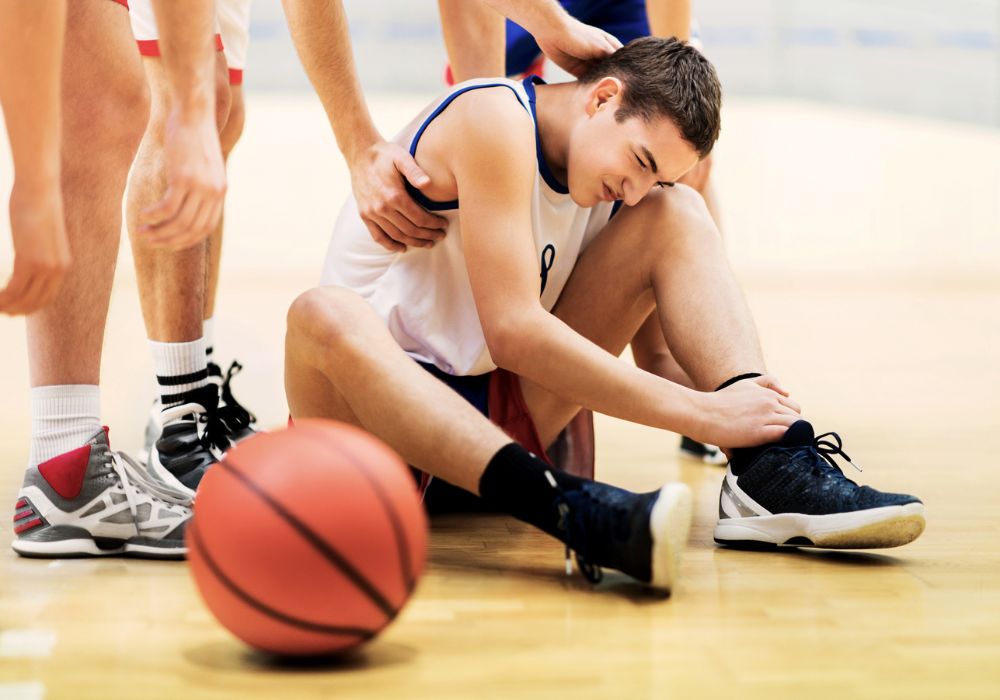
When your student-athlete gets injured during Friday night football or a weekend basketball tournament, you can’t wait days for an appointment. And you shouldn’t spend hours in a crowded Indianapolis…

New alliances aim to enhance health and safety of the youth sports community in Carmel CARMEL, INDIANA — Carmel Dads’ Club is proud to announce two exciting partnerships that will…
Injuries affecting children’s shoulders can occur for various reasons.
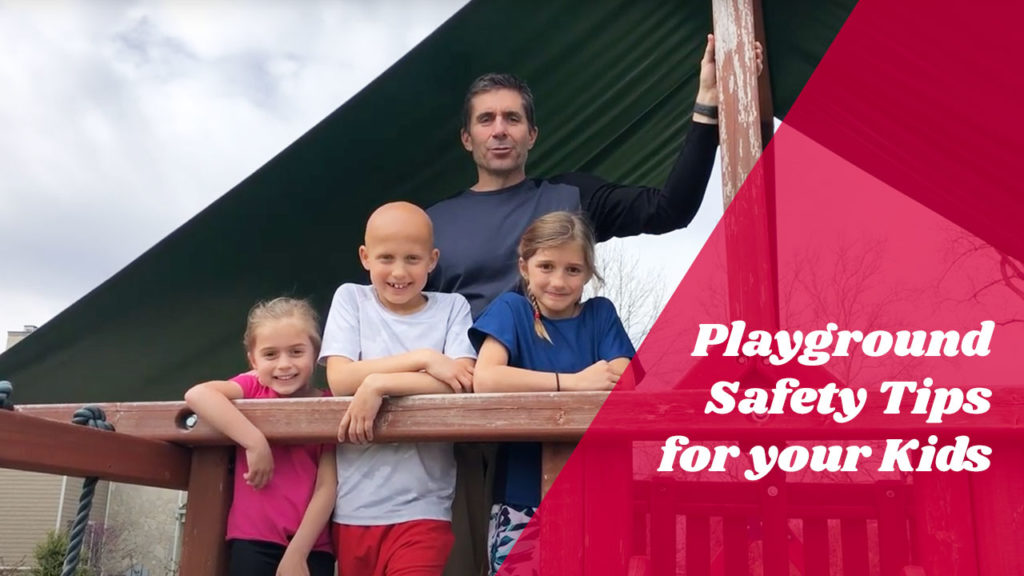
OrthoIndy sports medicine physician, Dr. Michael Thieken, explains some helpful tips to keep your kids play fun and safe. There are a few things to remember to ensure your child’s safety. If an injury does occur, OrthoIndy Urgent Care clinics are open to serve your orthopedic needs.
5-year-old with osteogenesis imperfecta patient undergoes three surgeries with OrthoIndy surgeon and is able to be a kid again.
Does a broken tibia require surgery and how serious is a broken tibia? Learn more about recovery and walking after a tibia fracture.
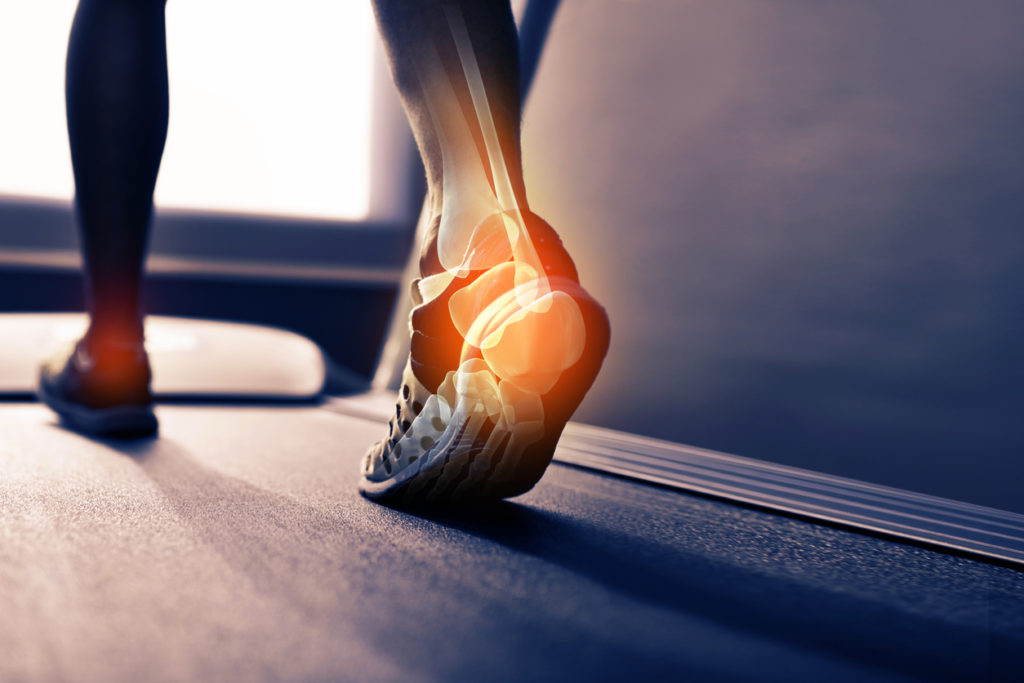
Is tarsal coalition rare and is tarsal coalition genetic? Learn more about tarsal coalition and its symptoms, treatment and recovery.
Flexible flatfoot is common in children. If you notice when your child stands the arch of his or her foot disappears, he or she may have flexible flatfoot.
Vertical talus or congenital talus is diagnosed at birth. It is a rare deformity that babies are born with that affects the development of their foot’s arch.
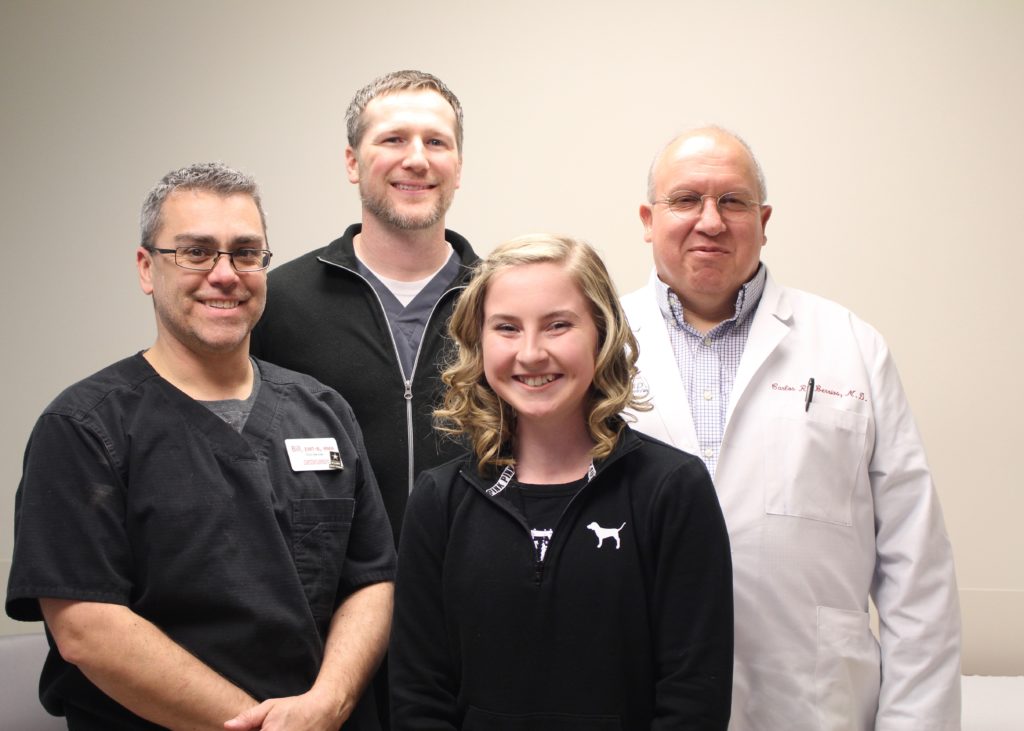
Elyse Heiser rebounds from sports injury after care from Dr. Kosmas Kayes at OrthoIndy. She is now able to swim at a competitive level and got normal back.
After being diagnosed with scoliosis at 10 years old, patient has scoliosis surgery and writes a book to inspire other adolescents with scoliosis read to stay confident and work hard through their treatment and recovery process.
Sometimes when a child walks or runs, the feet turn inward instead of pointing straight ahead. This is commonly referred to as intoeing or being “pigeon-toed.”
Get stories and News in your inbox